Correlative X-ray Imaging (CXI)
Dr. Danays Kunka [Contact]
Welcome
Our group develops correlative imaging methods by integrating X-ray phase-sensitive with other techniques for non-destructive, minimally invasive research. We combine hardware, software, and analytical models to optimize image acquisition and processing, applicable to biomedicine, materials science, and dynamic processes.
Our research contributes to the research program 3: "Materials Systems Engineering" (MSE), Topic 5: "Materials Information Discovery" (Project 43.35.01: Correlative X-ray Imaging), in the research field „Information“ as defined by the Helmholtz Association (link to MSE website). Our work advances correlative and hybrid imaging technologies, enhancing characterization capabilities for complex structures and dynamic systems.

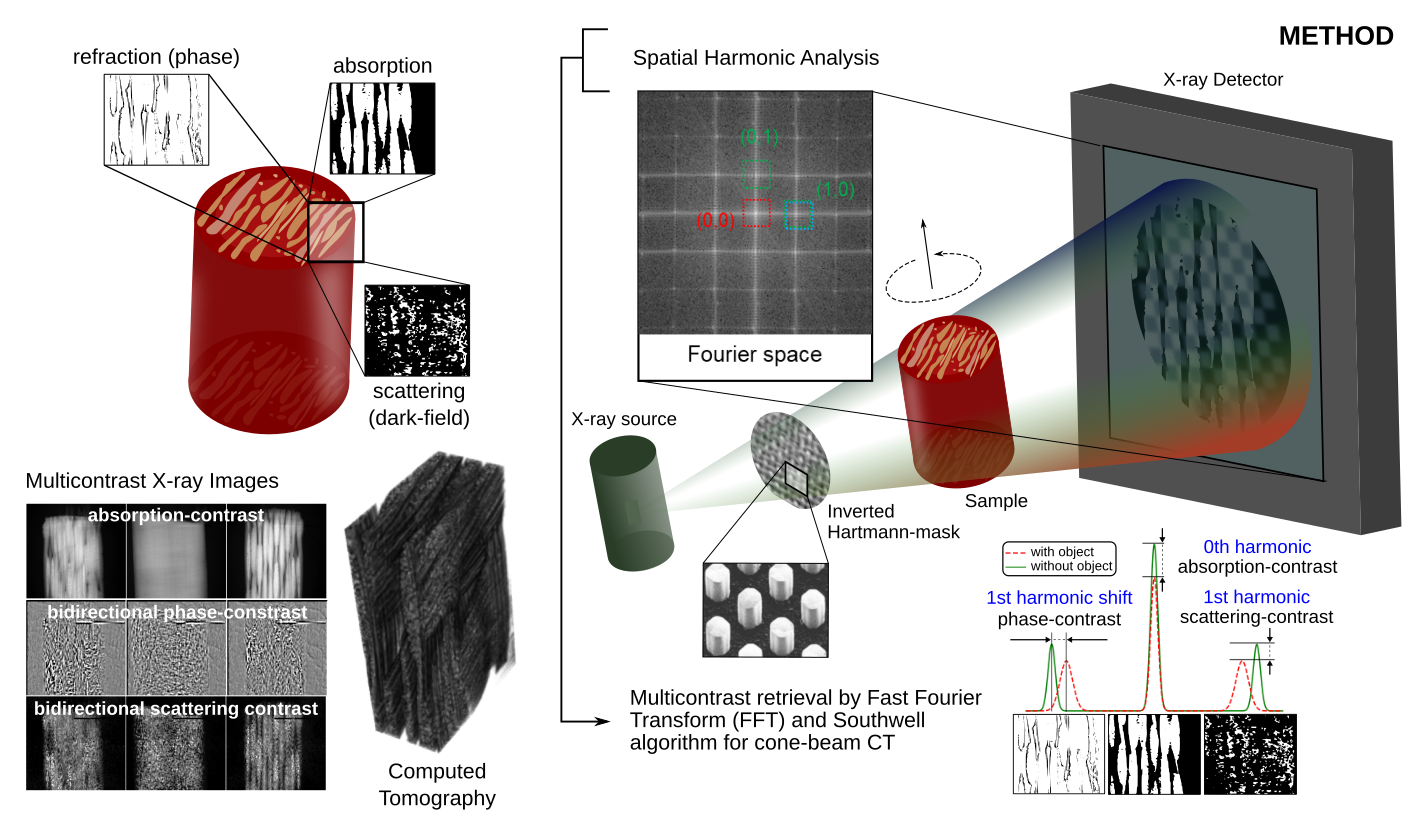
Schematic illustration of Spatial Harmonic X-ray Imaging with an inverted Hartmann mask. Link to Nano Trends article
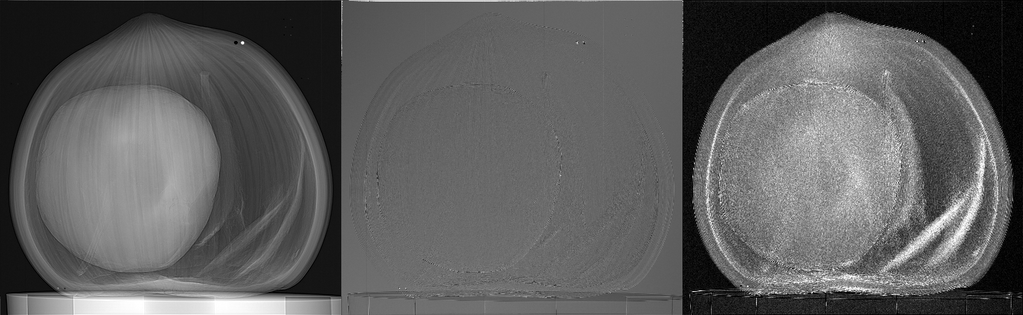
IMT researchers at KIT published "SHI: a framework for spatial harmonic imaging" in Scientific Reports. SHI is a modular Python framework for multicontrast X-ray imaging using periodic modulators (e.g., Hartmann masks). It automates acquisition, higher-order-harmonic retrieval, and CT preprocessing, extracting absorption, refraction, and scattering signals from a single exposure. Robust to large focal spots and optical imperfections, it reveals internal structures across a range of contrasts with fewer projections, reducing dose.
Read more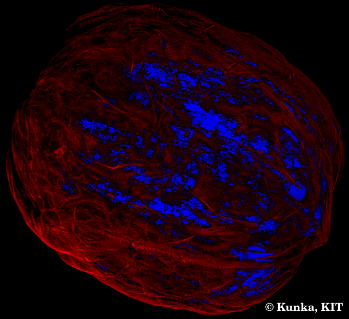
Preliminary results from an inverted Hartmann-based Spatial Harmonic Computed Tomography (SHI-CT) combined with Nuclear Magnetic Resonance Imaging (MRI) at CORREL. The SHI-CT is shown in red, while the MRI is shown in blue.
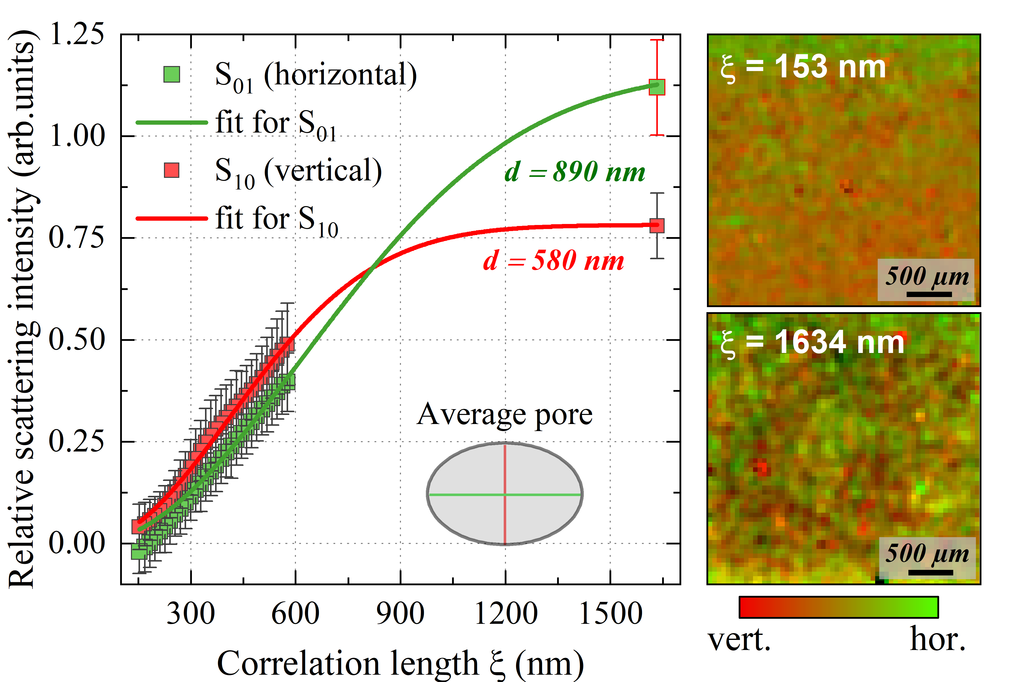
Dark-field X-ray imaging with Hartmann masks enables quantitative characterization of submicron pore morphology in bulk graphite. By scanning the correlation length and analyzing spatial harmonics, we retrieved average pore size, pore fraction, fractal dimension, and directional anisotropy non-destructively in volume. The method provides robust structural insight under relaxed coherence requirements and is extendable to laboratory setups. Link to APS article
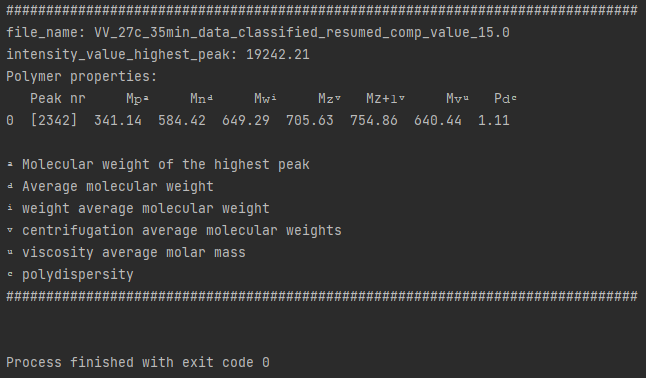
Polypy interprets polymer properties from spectrometric data by filtering MS raw data using RMS-based calculations and classifying by theoretical molar masses. Link to MDPI article